
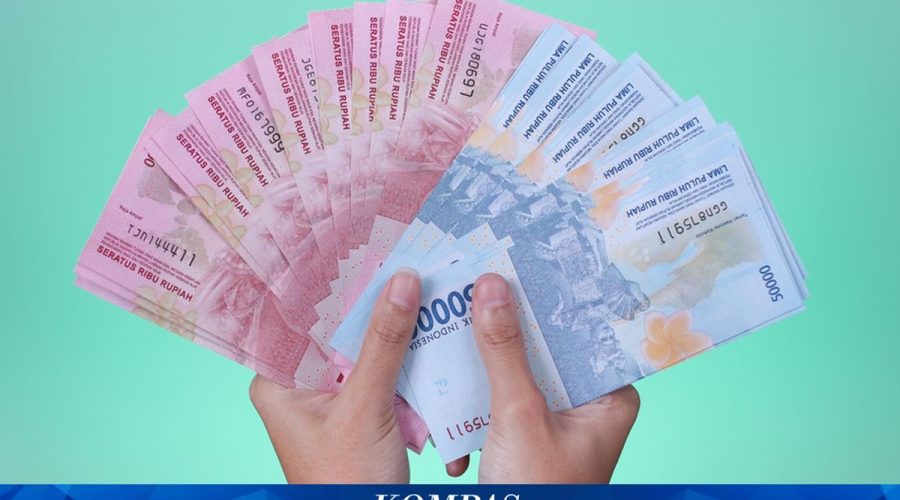
JAKARTA, KOMPAS.com – The rupiah exchange rate is back in the spotlight after touching the level of IDR 18,200 per US dollar on Monday (8/6/2026).
周二(2026 年 9 月 6 日),卢比升值至卢比。印尼央行(BI)再次将BI利率基准利率上调至5.50%后,美元兑17,954美元。
尽管现在已经离开了Rp的水平。 18,000 per US dollar, the current position of the rupiah is the weakest point in Indonesia’s history and has even exceeded the level during the 1998 monetary crisis.
Also read: Why is the current weakening of the Rupiah different from the 1998 crisis?
PEXELS/DEFRINO MAASY Illustration of the rupiah, rupiah exchange rate. The Denpasar City Government (Pemkot) officially disbursed Political Party Financial Assistance (Banpol) funds for the 2026 Fiscal Year (FY). The total budget allocated reached IDR 1,707,940,000 or around IDR 1.7 billion.
Although Bank Indonesia (BI) assesses that pressure on the rupiah is influenced by global and seasonal factors, a number of economists believe that the weakening of the Garuda currency this time cannot be explained solely by external factors.
Behind exchange rate fluctuations, there is a combination of global problems, domestic policy uncertainty, and structural weaknesses in the Indonesian economy that have persisted for years.
The CORE Indonesia report entitled Mission to Save the Rupiah concluded that the weakening of the rupiah in recent months was the result of a combination of fundamental factors in the Indonesian economy, uncertainty in domestic economic policies, seasonal factors and global geopolitical developments.
However, domestic factors are considered to have a greater influence than external factors.
Also read: Analyst: BI Rate Increases to Attract Foreign Capital and Protect the Rupiah
卢比贬值的触发因素之一来自全球地缘政治紧张局势的加剧。 CORE noted that since the US-Israel military operation against Iran at the end of February 2026, world oil prices have risen sharply.
KOMPAS.com/SAKINA RAKHMA DIAH SETIAWANThe rupiah exchange rate is back in the spotlight after touching the level of IDR 18,200 per US dollar on Monday (8/6/2026).
In the period 27 February to 29 May 2026, the price of Brent oil rose to 91.8 US dollars per barrel or an increase of around 27 percent. In fact, on March 31 2026, the price of Brent touched 118.35 US dollars per barrel, far above the oil price assumption in the 2026 APBN of 70 US dollars per barrel.
For Indonesia, which is still a net importer of oil, rising energy prices mean the need for US dollars for imports also increases. Greater demand for foreign exchange then puts pressure on the rupiah.
At the same time, surging oil prices sparked inflation concerns in the United States.这种情况激发了人们对美国央行美联储(The Fed)将在更长时间内维持高利率的预期。
Also read: IHSG and Rupiah Strengthen as Rumors of Minister of Finance Reshuffle Subside
When returns on financial assets in the US remain attractive, global investors tend to move their funds from home countriesbang into assets that are considered safer. This capital outflow or capital flight then also puts pressure on the currencies of developing countries, including the rupiah.
CORE noted that similar pressure was also experienced by a number of Asian countries that are energy importers, such as India, the Philippines and Thailand. However, the rupiah is one of the currencies that has experienced the deepest depreciation compared to these countries.
Apart from external factors, more serious pressure comes from within the country. CORE认为,印尼盾的疲软与投资者对印尼经济和财政政策方向的信心下降密不可分。

Leave a Reply